Gündoğan & Beyond
The quiet north coast of the Bodrum peninsula
A fishing village that kept its head — with Yalıkavak, Türkbükü and Bodrum all close enough for lunch.
A fishing village that kept its head — with Yalıkavak, Türkbükü and Bodrum all close enough for lunch.
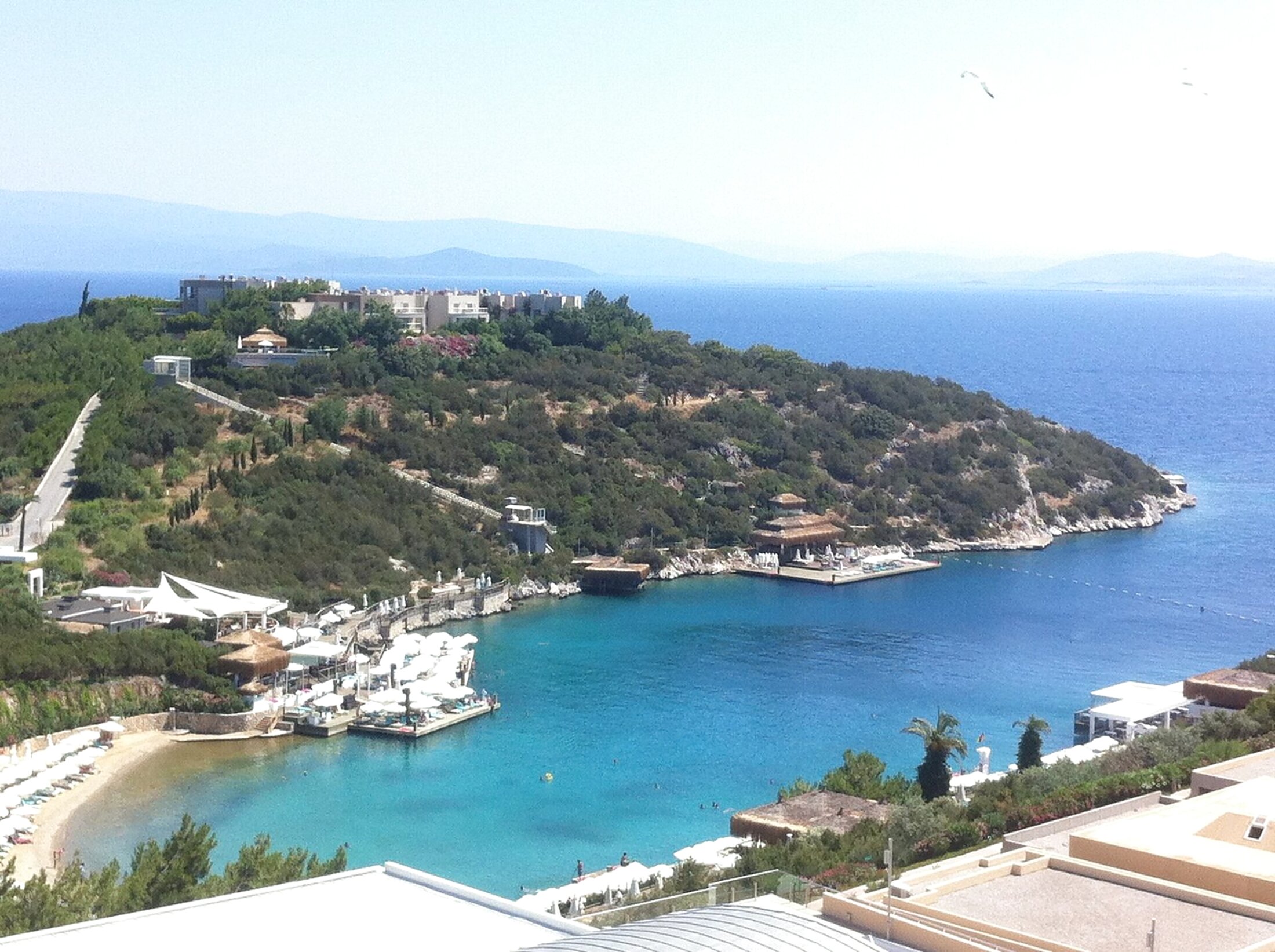
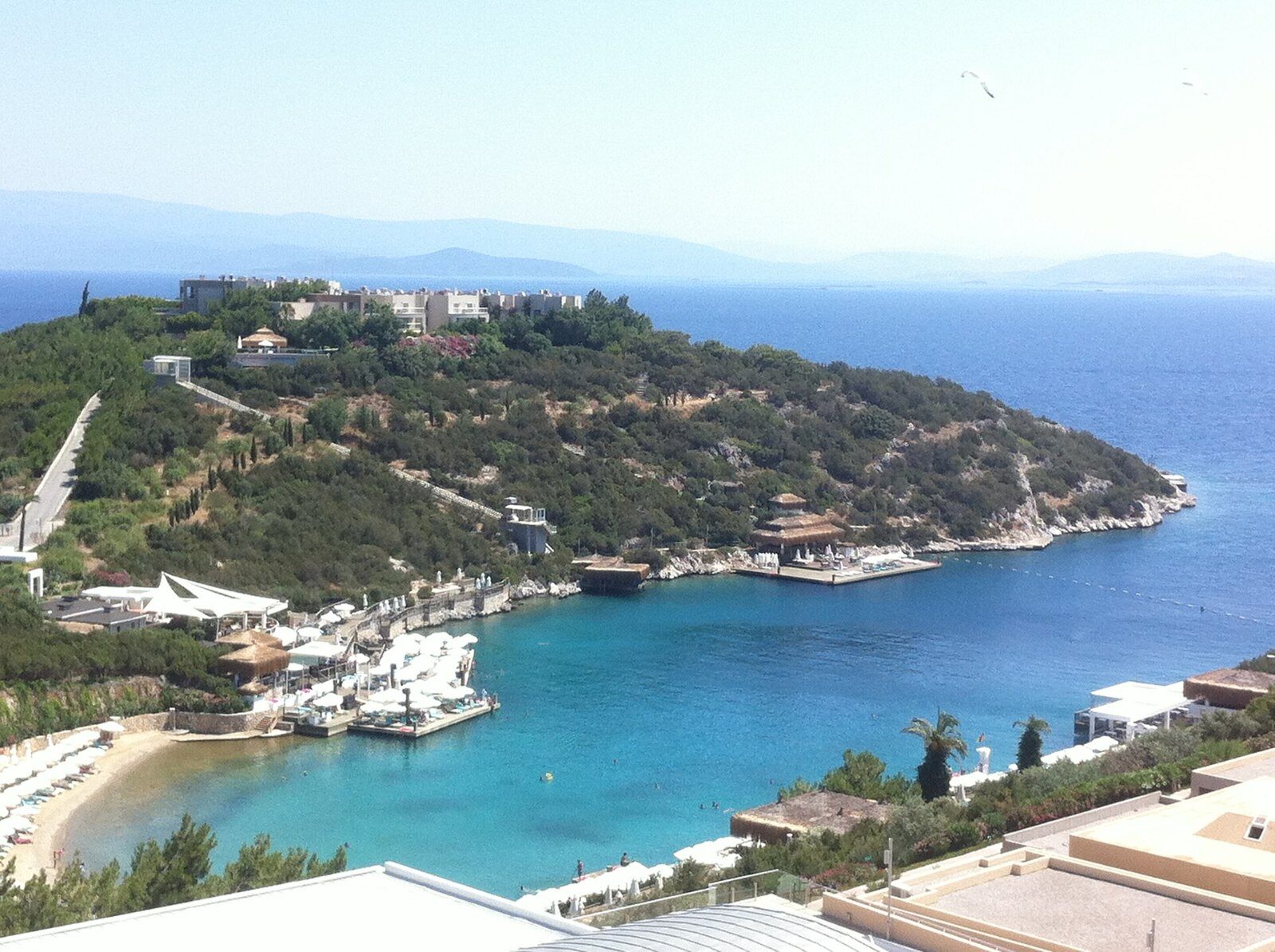
Gündoğan — "sunrise" in Turkish, once the Greek village of Farilya — sits in a wide bay on the north shore, between Türkbükü and Yalıkavak. It is the calmest of the three: a working harbour, a long free sandy beach in the middle of the bay, restaurants with jetties over the water, and a hillside of pine, olive and citrus groves behind.
Days here are simple. Swim off the beach or a restaurant platform; take a boat from the harbour to Büyük Tavşan — Rabbit Island — where a ruined 9th-century Byzantine monastery looks back at the village; wander the Wednesday market; eat grilled fish at Akbalık as the sun drops behind the headland. Evenings are dinner on the waterfront rather than nightlife — which is exactly why people come.
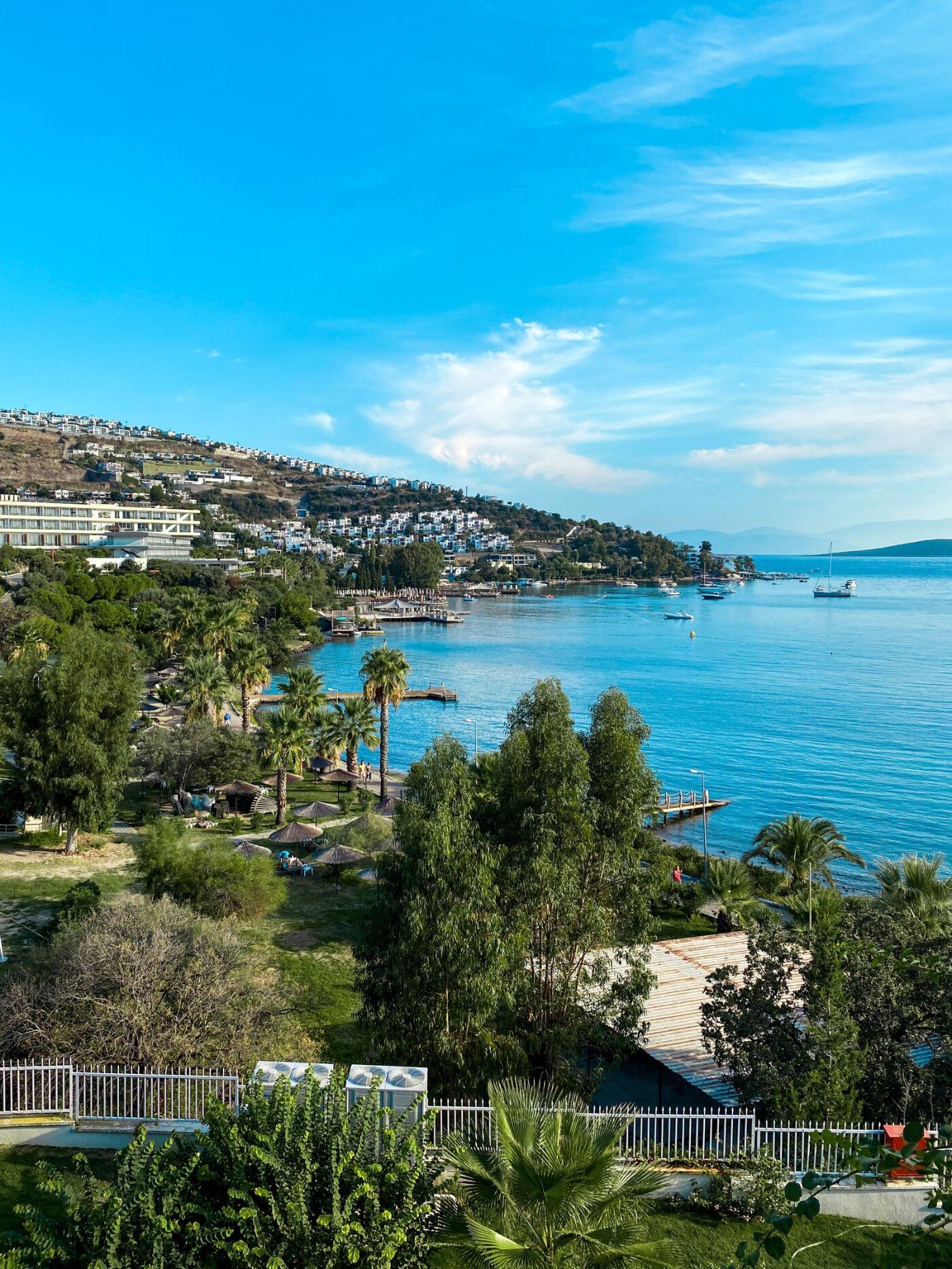
Villa Mia sits in Herodot Villas on the Kızılburun headland, north-west of Gündoğan bay — high enough for the view, close enough that the village is minutes away. The chart is drawn from the real coastline.
37.1513° N, 27.3345° E · Open in Google Maps
Road distances from the villa's gate, with typical off-peak driving times. Allow a little longer in July and August.
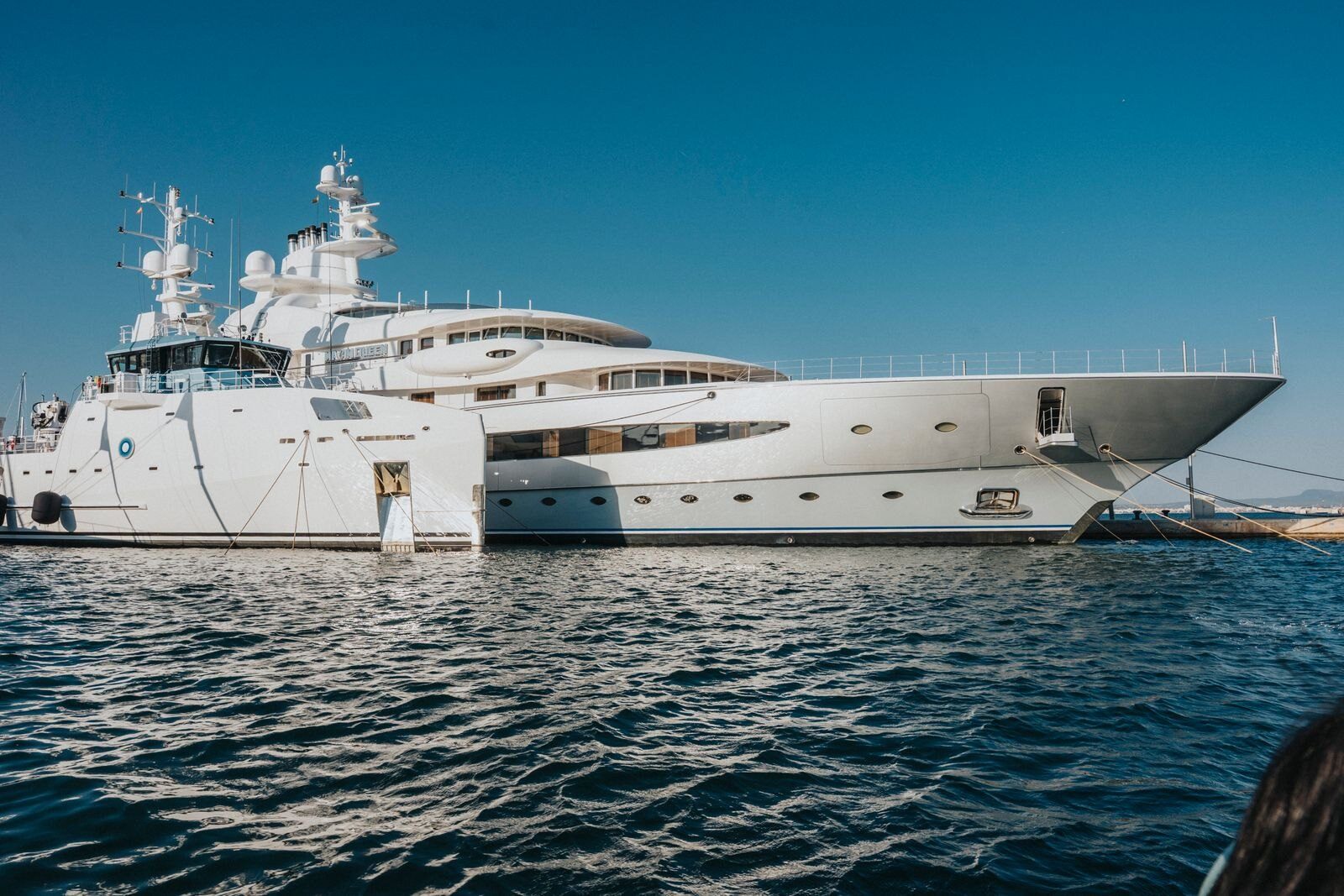
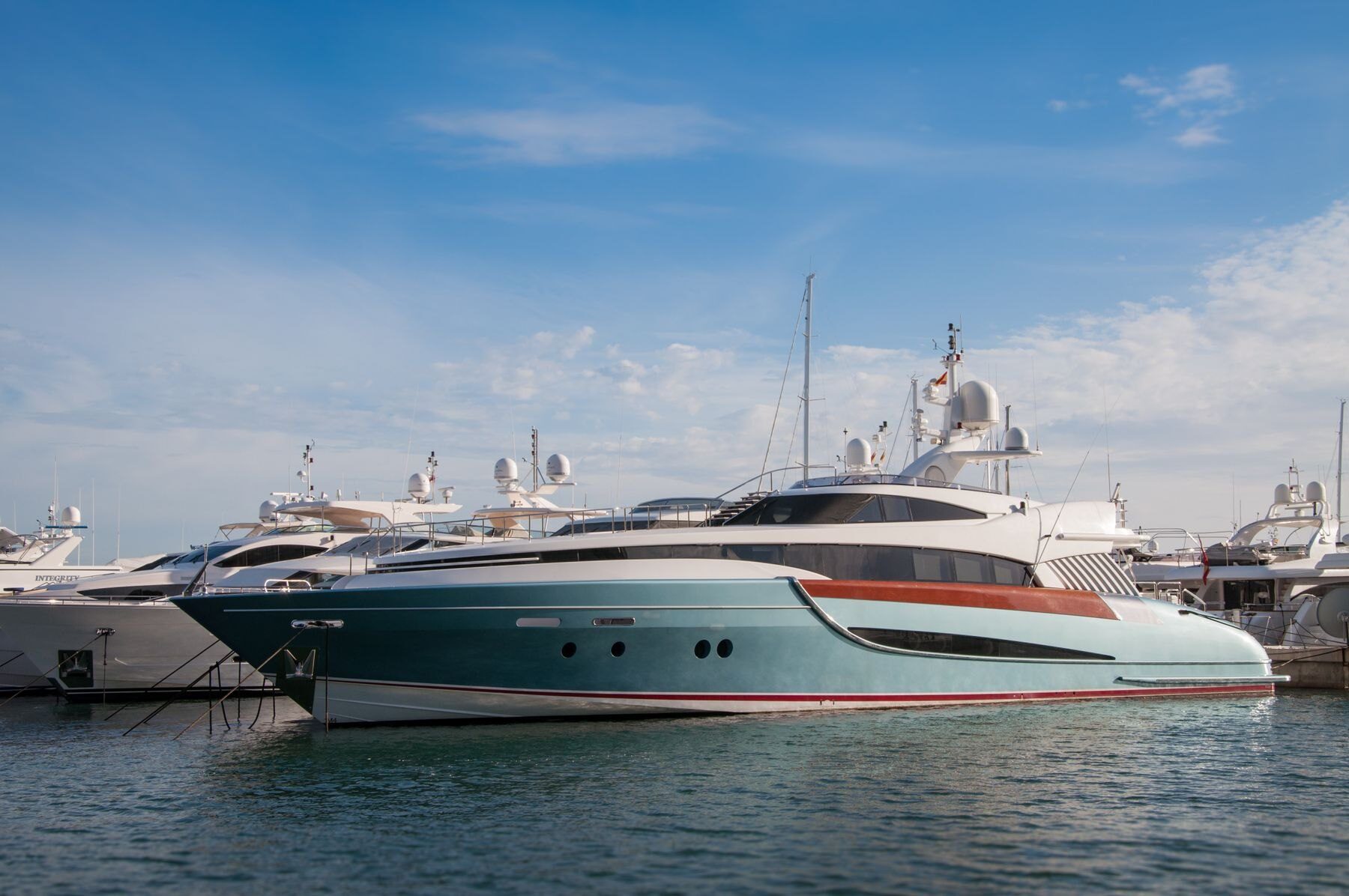
Once a sponge-diving harbour, Yalıkavak is now the glamorous end of the north coast. Its marina — designed by Emre Arolat and repeatedly voted the world's best superyacht marina — has 620 berths for yachts up to 140 metres, a hundred designer boutiques, and a quay of restaurants that includes Zuma, Nusr-Et, Novikov and Bagatelle.
The town behind it is still itself: a Thursday market that fills the streets, a restored 1859 windmill on the ridge, long easy waterfront walks. Each October the Bodrum Cup regatta sails in.
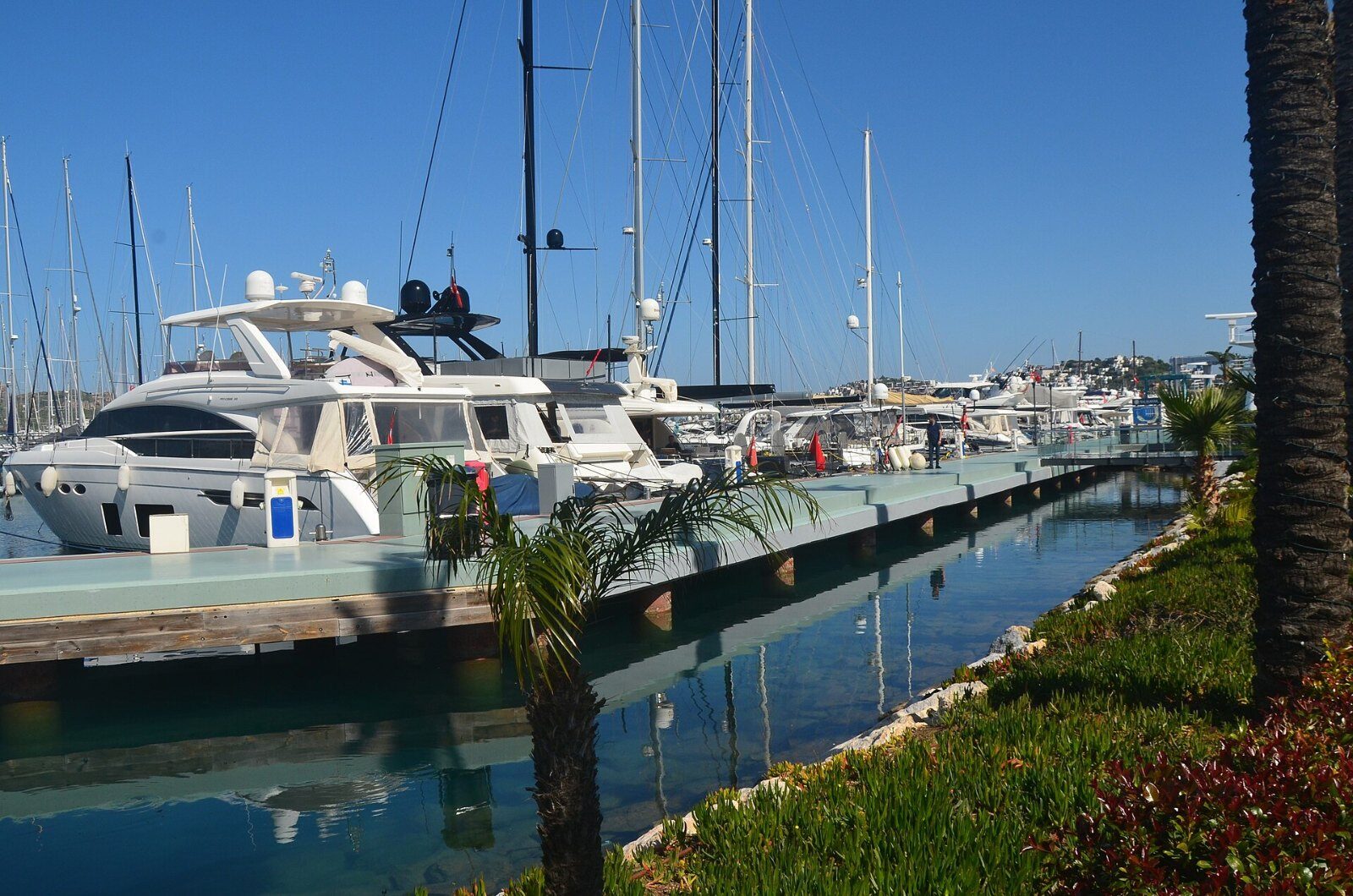
Göltürkbükü is the peninsula's "Turkish St-Tropez": a sheltered north-facing bay lined with wooden sun platforms, beach clubs and the hotels that made it famous — Maçakızı, and the Mandarin Oriental a cove further on. It's where Istanbul comes to be seen in August. Go for a long lunch on the water, then come home to a quieter hill.
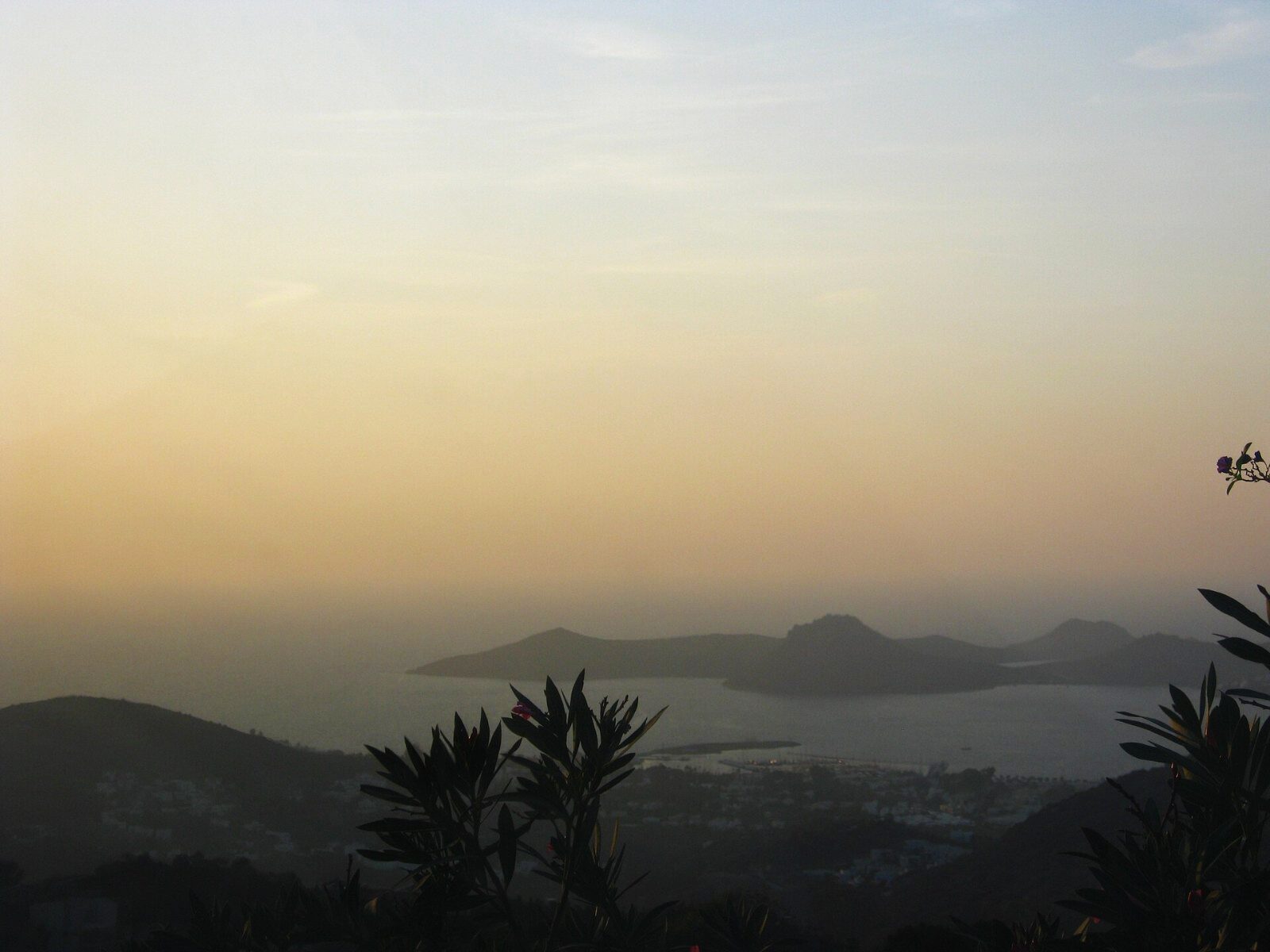
On the west coast, Gümüşlük is built on the ancient city of Myndos — its submerged walls still visible in the shallows, and a causeway you can wade across to Rabbit Island. Development is strictly limited, so it stays bohemian: fish restaurants with tables on the sand, a summer classical-music festival in the old quarries, and the best sunset on the peninsula.
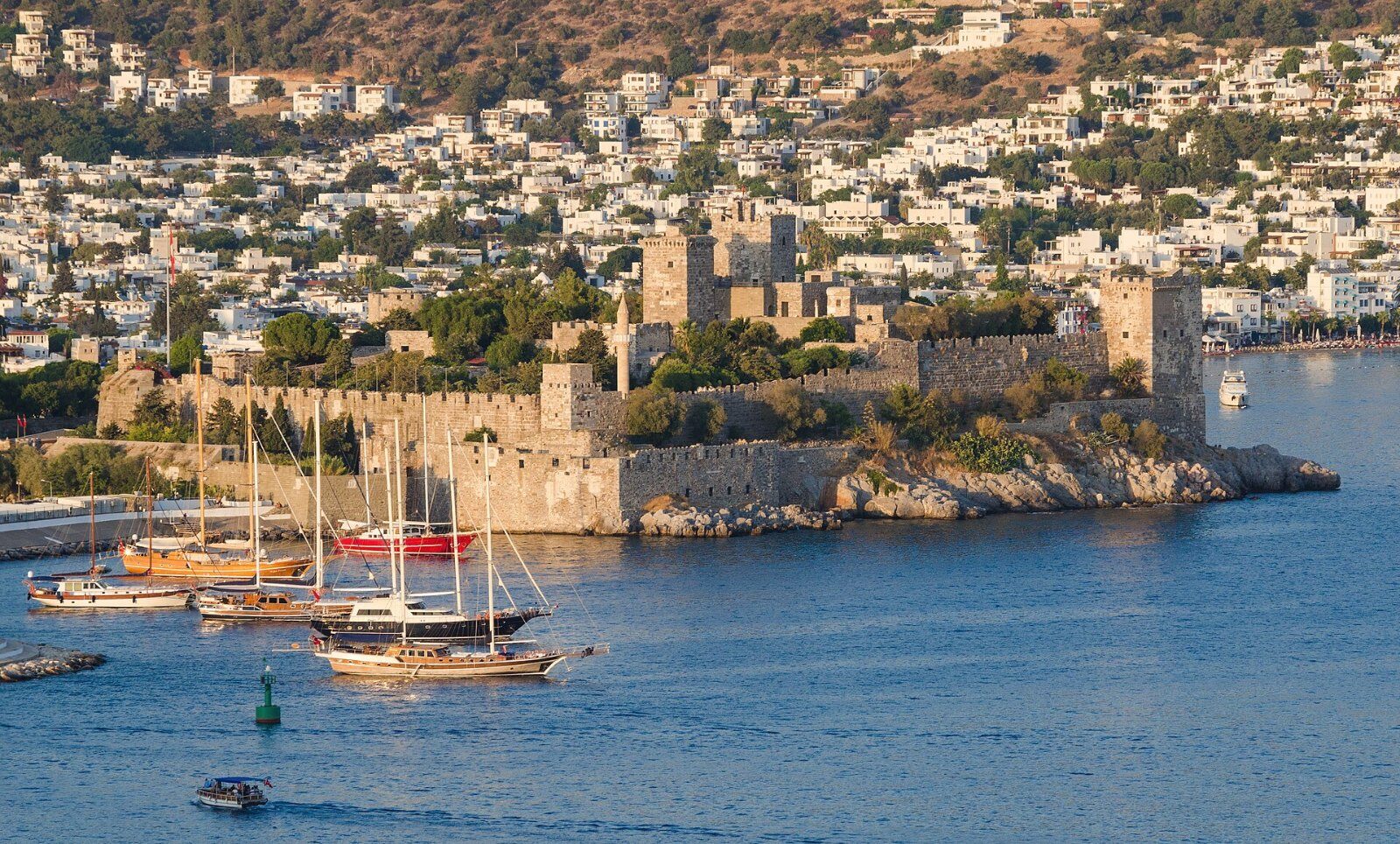
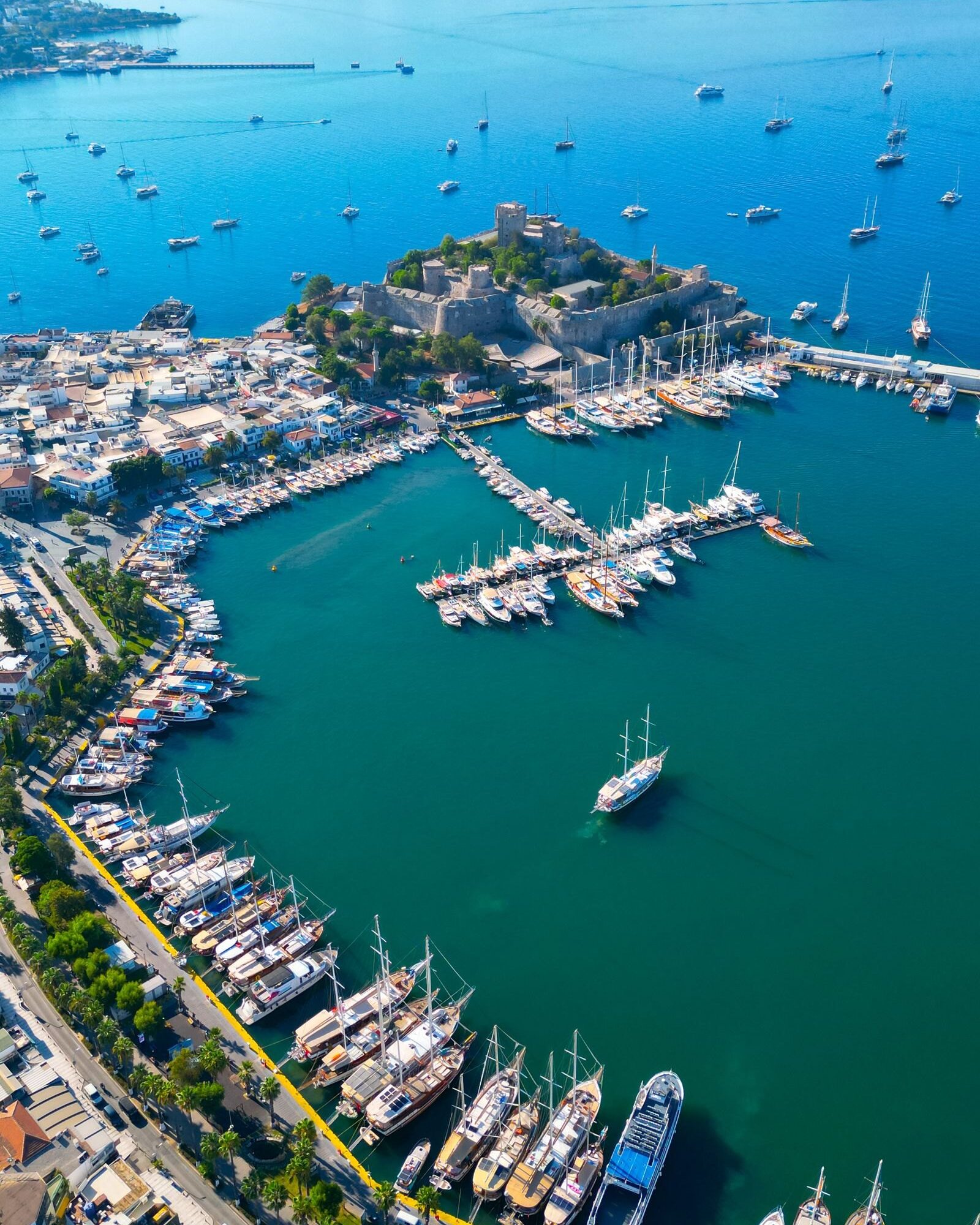
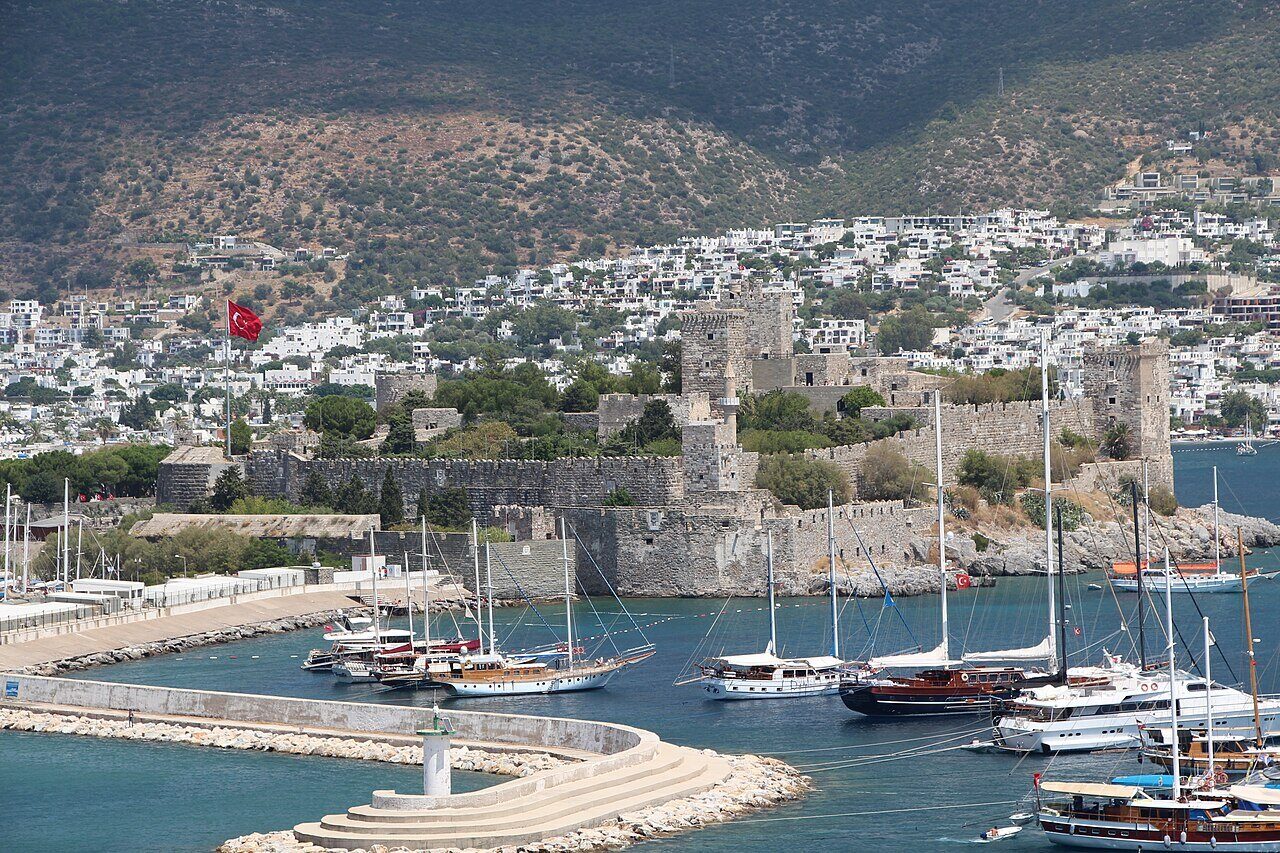
The peninsula's capital was Halicarnassus — birthplace of Herodotus and home to the Mausoleum, one of the Seven Wonders of the ancient world. The Knights of St John used its stones to build the Castle of St Peter in the 15th century; today the castle houses the Museum of Underwater Archaeology and the harbour below is full of wooden gulets. Come for the castle, the bazaar and the marina restaurants, then drive home along the coast road.
One of the sunniest climates in the Mediterranean. May, June, September and October are the connoisseur's months — warm sea, long evenings, no crowds.
About 7½ hours a day on average — all day, every day, June to September.
Dry heat softened by the afternoon meltemi; the north coast gets the best of it.
Swimming from May to the end of October; the sea is still 21° in late October.
Effectively none from June to September. Bring a book, not an umbrella.
The peninsula's best-known destinations, with links to their official pages.
We have spent almost twenty summers here and are happy to share what we know.